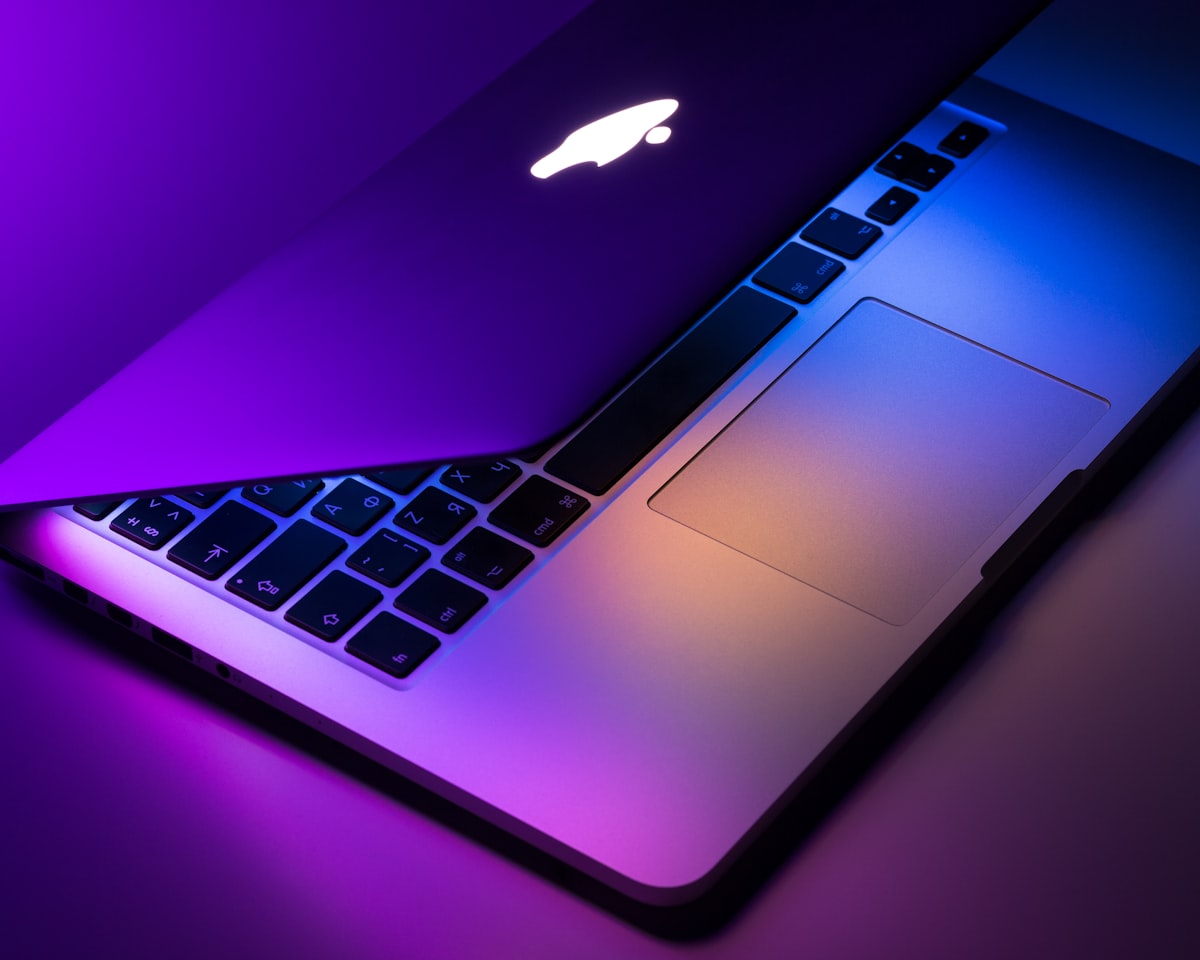
While Smart TVs and streaming sticks get most of the attention, your PC or Mac is actually one of the most powerful devices for IPTV. With larger screens, better processors, and more storage, computers can handle high-quality streams with ease. In this walkthrough, we cover the best desktop IPTV players, step-by-step setup instructions, keyboard shortcuts, and how to connect your computer to a TV for a living room experience.
Best Desktop IPTV Players
Unlike mobile, desktop IPTV players are often more versatile and feature-rich. Here is a comparison of the best options for Windows and Mac:
| Player | Platform | Price | Key Features | Difficulty |
|---|---|---|---|---|
| IPTV Smarters Desktop | Windows / Mac | Free | Familiar interface, Xtream Codes, EPG | Easy |
| VLC Media Player | Windows / Mac / Linux | Free | Universal compatibility, playlist support | Medium |
| Kodi | Windows / Mac / Linux | Free | Massive addon library, customizable | Hard |
| MyIPTV Player | Windows (Microsoft Store) | Free | Clean interface, Windows native | Easy |
| IPTV Smarters Web | Browser-based | Free | No installation required, works anywhere | Easy |
Option 1: IPTV Smarters Desktop (Recommended)
IPTV Smarters Desktop brings the same familiar interface from mobile to your computer. It supports Xtream Codes login, has a built-in EPG, and works on both Windows and Mac.
Download the Desktop Version
Visit the official IPTV Smarters website and download the Windows or Mac version. For Windows, you will get an EXE installer. For Mac, you will get a DMG file. Avoid third-party download sites to ensure you get the legitimate, malware-free version.
Install the Application
On Windows, run the EXE file and follow the installation wizard. On Mac, open the DMG file and drag the app to your Applications folder. If macOS shows an "unidentified developer" warning, go to System Settings > Privacy and Security > Open Anyway.
Login with Your Credentials
Launch the app and select Login with Xtream Codes API. Enter your server URL, username, and password. Click Add User and wait for the channels to load. The desktop version supports larger playlists and loads faster than mobile.
Option 2: VLC Media Player
VLC is the most universal media player in the world, and it supports IPTV playlists (M3U format). If your IPTV provider gives you an M3U playlist URL instead of Xtream Codes credentials, VLC is the easiest way to watch.
Download VLC
Download VLC from the official VideoLAN website (videolan.org). It is completely free and available for Windows, Mac, and Linux.
Open Network Stream
Open VLC and go to Media > Open Network Stream (or press Ctrl+N on Windows, Cmd+N on Mac). Paste your M3U playlist URL from your IPTV provider into the URL field.
Play and Browse
Click Play and VLC will load your playlist. Use View > Playlist (Ctrl+L) to see all channels organized by category. Double-click any channel to start watching. VLC supports hardware acceleration for smooth 4K playback.
Save your M3U playlist as a local file for faster loading. In VLC, go to Media > Open Network Stream, paste the URL, then go to Media > Convert/Save and select the output format. This saves the playlist locally, so VLC does not need to download it every time you open it.
Option 3: Kodi
Kodi is the most powerful and customizable media center software. It supports IPTV through the PVR IPTV Simple Client addon. Kodi is ideal for users who want a full media center experience with their IPTV integrated alongside local media, music, and more.
Install Kodi
Download Kodi from kodi.tv for Windows, Mac, or Linux. Install it using the default settings.
Enable PVR IPTV Simple Client
Go to Settings > Addons > My Addons > PVR Clients and enable PVR IPTV Simple Client. Go to its settings and enter your M3U playlist URL or upload a local M3U file.
Configure EPG
In the PVR IPTV Simple Client settings, enter your EPG (XMLTV) URL to get the electronic program guide. Restart Kodi after making changes. Your channels and EPG will appear in the TV section of Kodi.
Keyboard Shortcuts for Desktop IPTV Players
Mastering keyboard shortcuts will dramatically improve your desktop IPTV experience:
| Action | VLC | IPTV Smarters | Kodi |
|---|---|---|---|
| Play/Pause | Space | Space | Space / P |
| Fullscreen | F | F11 | \\\\ |
| Volume Up | Ctrl + Up | Up Arrow | + |
| Volume Down | Ctrl + Down | Down Arrow | - |
| Mute | M | M | M |
| Next Channel | N | Channel Down | Page Down |
| Previous Channel | P | Channel Up | Page Up |
| Stop | S | Escape | X |
Connecting Your PC or Mac to a TV
If you want to watch IPTV from your computer on your living room TV, there are several methods:
HDMI Cable (Best Quality)
The simplest and most reliable method. Connect an HDMI cable from your computer's HDMI port to your TV. Most modern laptops need a USB-C to HDMI adapter. Once connected, your TV will appear as a second display. On Windows, press Win+P to choose between Extend and Duplicate. On Mac, go to System Settings > Displays.
AirPlay (Mac to Apple TV)
If you have a Mac and an Apple TV, you can stream wirelessly using AirPlay. Click the AirPlay icon in your menu bar and select your Apple TV. This mirrors your Mac screen to the TV without any cables.
Chromecast (PC/Mac to TV)
If your TV has Chromecast built-in or you have a Chromecast dongle, you can cast from Chrome browser on your PC or Mac. Open Chrome, click the three-dot menu, select Cast, and choose your TV. This works well for web-based IPTV players.
Some MacBooks only support video output through USB-C/Thunderbolt ports. You will need a USB-C to HDMI adapter or a USB-C hub with HDMI output. Make sure the adapter supports at least 4K@30Hz for the best quality. Cheap adapters may only support 1080p.
System Requirements for Smooth Streaming
Your computer should meet these minimum requirements for a smooth IPTV experience:
- Processor -- Intel i3 / AMD Ryzen 3 or better for HD. Intel i5 / AMD Ryzen 5 or better for 4K.
- RAM -- 4GB minimum, 8GB recommended for multitasking while watching.
- Graphics -- Any modern GPU with hardware video decoding (Intel HD 500+, AMD Vega, NVIDIA GTX 10+).
- Storage -- At least 500MB free for the player app plus any recordings.
- Network -- Wired Ethernet strongly recommended. WiFi 5 or 6 if wireless is the only option.
Enable hardware acceleration in your IPTV player for the smoothest playback. In VLC, go to Tools > Preferences > Input/Codecs and set Hardware-accelerated decoding to Automatic. In IPTV Smarters, enable hardware acceleration in the player settings. This offloads video decoding to your GPU, reducing CPU usage and improving battery life on laptops.
Frequently Asked Questions
Is IPTV on PC or Mac better than on a Smart TV?
Desktop IPTV offers several advantages: more powerful processors, larger storage for recordings, support for multiple apps, easier typing for search, and the ability to multitask. However, Smart TVs offer a more couch-friendly experience. Many users run IPTV on both their PC and TV.
Can I use IPTV on both Windows and Mac?
Yes. Most IPTV apps (IPTV Smarters, VLC, Kodi) are available for both Windows and Mac. Some Windows-exclusive apps like MyIPTV Player are only available through the Microsoft Store. Web-based IPTV players work on any operating system with a modern browser.
Do I need to keep my computer on all the time?
If you want to watch IPTV, yes. However, if you only want to record shows, some apps support scheduled recording that runs in the background. You can also use a Smart TV or streaming stick for regular viewing and use your computer only for setup and configuration.
How do I update my IPTV player on desktop?
Check the app's website or the Microsoft Store / Mac App Store for updates. Most desktop IPTV apps do not auto-update like mobile apps, so check periodically for new versions with bug fixes and new features.
Can I record IPTV streams on my computer?
Yes. VLC has a recording feature (Playback > Record) that saves the current stream to a file. Kodi with PVR Simple Client also supports recording. For scheduled recording, TiviMate desktop or specialized PVR software can automate the process.
Conclusion
Setting up IPTV on your PC or Mac is straightforward and gives you a powerful, flexible streaming experience. Whether you choose the user-friendly IPTV Smarters Desktop, the universal VLC player, or the highly customizable Kodi, your computer is more than capable of delivering premium IPTV content. Pair it with an HDMI connection to your TV for the ultimate living room setup.
Ready to stream on your computer? Get your Earnest IPTV subscription and start watching today!