
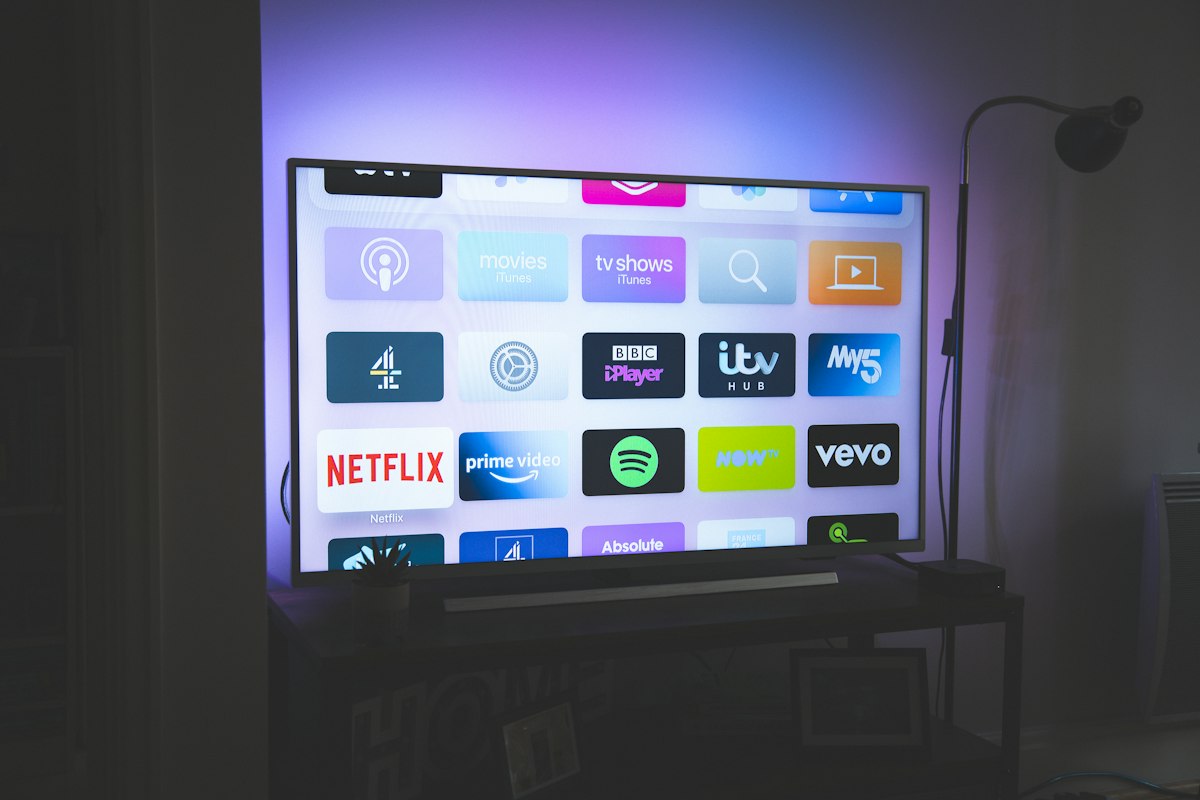
Cable TV is bleeding subscribers — over 5 million US households canceled their cable packages last year alone, and the trend shows no sign of slowing. The winner absorbing those viewers? Internet-based television, better known as IPTV.
But is switching actually worth it for you? In this head-to-head comparison, we put IPTV and cable TV against each other across the seven factors that matter most: price, channels, quality, devices, flexibility, features, and reliability. By the end, you'll know exactly which side of the fence you belong on.
The Short Answer
If you have a stable internet connection of at least 25 Mbps, IPTV gives you more channels, more flexibility, and dramatically lower prices. Cable only still makes sense in rare situations: no reliable broadband at your address, or a household that exclusively watches local broadcast channels. For everyone else, the math has become impossible to ignore.
Quick Definitions: What Exactly Are We Comparing?
Cable TV delivers channels through physical coaxial cables installed by providers like Comcast Xfinity, Spectrum, or Cox. It requires professional installation, proprietary set-top boxes, and usually a 12–24 month contract.
IPTV (Internet Protocol Television) delivers live channels and on-demand video over your existing internet connection. No installer visits, no special hardware — just an app on the Firestick, Smart TV, phone, tablet, or computer you already own. Services like Earnest IPTV offer 18,000+ live channels plus tens of thousands of movies and series on demand.
Round 1: Price — IPTV Wins Decisively
This is where most households make their decision. Here's what a typical year of television actually costs:
| Cost Factor | Cable TV | Earnest IPTV |
|---|---|---|
| Monthly base package | $85 – $160 | From ~$15/month |
| Equipment rental | $10 – $25/mo per box | $0 — use your own device |
| Installation fees | $50 – $150 one-time | $0 — self-setup in minutes |
| Broadcast/sports surcharges | $15 – $30/mo hidden fees | $0 — price includes everything |
| Contract commitment | Usually 12–24 months | None — cancel anytime |
| Typical annual cost | $1,300 – $2,500+ | $130 – $220 |
A household switching from a mid-tier cable bundle to IPTV typically saves over $1,200 per year — enough for a new 55-inch TV, with money left over. Data from FCC cable television overview and Nielsen streaming gauge.
Pull out your latest cable statement and look past the advertised rate: add equipment rentals, regional sports fees, broadcast fees, and taxes. Most people discover their "$80" plan really costs $120+. That's the number to compare against IPTV pricing.
Round 2: Channels & Content — IPTV Wins on Variety
A premium cable package tops out around 250–300 channels, heavily weighted toward reruns and shopping networks. Premium sports packages cost extra. International content? Expect one or two token foreign-language tiers at added cost.
Quality IPTV services flip that equation entirely:
- 18,000+ live channels including every major US, UK, Canadian, and European network
- Full international coverage — Arabic, Latino, French, Italian, German, Asian, African channels included by default
- All premium sports — NFL Sunday Ticket, NBA League Pass feeds, Premier League, UFC PPVs, Formula 1
- 80,000+ movies & series on demand, updated daily, instead of a thin cable VOD catalog
- Premium movie channels — HBO, Showtime, Starz content without per-network add-ons
Round 3: Picture Quality — Slight Edge to IPTV
Cable maxes out at 1080i broadcast resolution on most systems — yes, even in 2026, most cable channels are still interlaced HD. IPTV streams true 1080p and native 4K where available, because internet delivery isn't bound by legacy broadcast standards. If you're curious whether 4K matters for your setup, see our breakdown of 4K vs HD streaming differences.
Round 4: Devices & Flexibility — IPTV Wins Completely
| Device | Cable TV | IPTV |
|---|---|---|
| Smart TV (Samsung/LG/etc.) | Requires box rental | Native apps or built-in players |
| Firestick / Android TV / Apple TV | Limited support | Fully supported |
| Phones & tablets | Clunky provider apps, home-only | Watch anywhere |
| PC & Mac | Browser portal only | Dedicated desktop players |
| Simultaneous screens | $8+/mo per extra box | Multiple connections included |
We've written step-by-step setup guides for Firestick, Android devices, and even Apple TV, iPhone & iPad.
Round 5: Contracts & Flexibility — IPTV Wins
Cable companies are famous for promotional pricing that quietly jumps $30–50 after month 12, locked behind early-termination fees of up to $300. IPTV works like any modern subscription: monthly, quarterly, or annual plans with no contracts and no cancellation penalties. If a service doesn't deliver, you simply don't renew.
Cable's one genuine advantage: independence from your internet connection. If your broadband goes down, IPTV goes down with it. If your area suffers frequent outages or you can only get slow DSL, factor that in before cutting the cord. A backup option (unlimited mobile hotspot) covers most edge cases comfortably.
Round 6: Features That Cable Charges Extra For
- Catch-up TV — rewatch programs aired in the past days/weeks. Included with IPTV; cable charges DVR fees.
- Multi-room viewing — stream on several TVs simultaneously at no extra cost with multi-connection plans.
- Massive VOD libraries — 80,000+ titles dwarfs any cable on-demand section.
- Frequent EPG guides — full program guides with artwork, rivaling cable's interface.
Head-to-Head Summary
| Category | Winner | Why |
|---|---|---|
| Price | IPTV | 70–85% cheaper annually |
| Channel variety | IPTV | 18,000+ vs ~300, international included |
| Picture quality | IPTV | True 1080p/4K vs 1080i broadcasts |
| Device freedom | IPTV | Any screen, anywhere, no rentals |
| Contracts | IPTV | No lock-in, cancel anytime |
| Works without internet | Cable | Only genuine cable advantage |
Frequently Asked Questions
Do I need a Smart TV for IPTV?
No. Any TV with an HDMI port works with a $30–50 streaming stick like the Firestick. Older non-smart TVs are often the best candidates — a cheap stick turns them into modern streaming hubs.
What internet speed do I need to replace cable?
For smooth HD streaming, plan for at least 15 Mbps; for 4K, 35 Mbps or more. Most broadband plans today exceed these numbers easily. Run a speed test before switching to confirm.
Can I get local channels and live sports with IPTV?
Yes — major local affiliates (ABC, NBC, CBS, FOX) and national sports networks are standard on comprehensive services. Check the provider's channel list before subscribing to confirm coverage for your region.
Is switching from cable complicated?
Not at all. There's no installation visit — you install an app, enter your subscription credentials, and start watching. Most people complete the entire switch in under 15 minutes using our setup guide.
Can I keep my cable internet but drop cable TV?
Yes, and it's the most common path. Internet-only plans from ISPs typically cost $40–70/month, and adding an IPTV subscription keeps your total far below a full cable bundle.
Conclusion: The Cord-Cutting Tipping Point Has Arrived
In 2026, paying $100+ monthly for 300 channels and a rented set-top box no longer makes sense when internet TV delivers ten times the content for a tenth of the price. The only real question left is picking a trustworthy provider — which matters more than ever as the market grows crowded.
Ready to join the cord-cutting movement? See Earnest IPTV plans and find out how much you'll save this year.